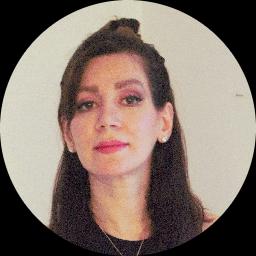
Dr. Zoleikha Gholizadeh
NCPS· Accepting clientsUnited Kingdom · 19 yrs exp
Stress, Anxiety · Trauma and abuse · Anger · Depression · +1 more
Read profileThe therapy listings are provided by BetterHelp and we will earn a commission if you use our link - at no cost to you.
Accessing therapy in your native language can make it easier to express emotions, cultural nuances and lived experience. Browse Azerbaijani-speaking therapists below to find practitioners who communicate in Azerbaijani and understand relevant cultural contexts.
When you speak about difficult feelings, memories or relationship patterns, language shapes not only what you say but how you feel while saying it. Expressing complex emotions in a language other than your mother tongue can feel limited, as subtle meanings, idioms and family phrases do not always translate cleanly. Choosing a therapist who speaks Azerbaijani gives you access to the full range of expression that formed your earliest emotional life. Cultural references, humour, shame, respect and family expectations often carry different weights in Azerbaijani; a practitioner who understands those specifics can help you explore them without repeated explanations.
Therapy in a familiar language can also reduce the extra cognitive load of translating thoughts in your head before you speak. That comfort can make it easier for you to take therapeutic risks - to be honest about painful experiences, to try new ways of communicating, and to sit with difficult emotions in the therapy room. For many people, feeling linguistically understood supports a stronger therapeutic bond, which is one of the most important factors in how helpful therapy feels.
Language differences do more than slow conversation. If you are meeting a therapist who uses English as the main language of therapy while you are more fluent in Azerbaijani, you may find yourself avoiding certain topics or simplifying feelings so they are easier to explain. That narrowing of expression can mean underlying patterns remain unexplored and progress stalls. Misunderstandings about cultural norms and family dynamics can lead to interpretations that feel off the mark, and you may end each session feeling unheard or frustrated.
Even when translators are available, the presence of a third person changes the dynamic. You might be less willing to disclose sensitive material, and subtle affect - the tone, word choice and small jokes that reveal inner life - can be lost. A therapist who speaks Azerbaijani reduces these obstacles and lets you focus your energy on therapeutic work rather than on bridging linguistic gaps. That ease can increase the pace and depth of progress, because you are able to access memories and emotions in the idioms that best represent them.
Online therapy in Azerbaijani opens up a wider range of options than in-person search alone. You can connect with a practitioner who shares your language and cultural background even if they are based in a different city. Sessions usually take place via video call, though some therapists also offer phone sessions or text-based support depending on their practice. Before your first appointment, you can expect to receive information about how the session will run, the therapist's areas of training and the practicalities such as fees and scheduling. If you prefer, you can ask for a brief introductory call to check whether the therapist’s style feels right.
During your initial sessions, the therapist will typically invite you to describe what brings you to therapy and what you hope to achieve. This exploration is a chance for you to assess whether the therapist’s approach - whether psychodynamic, cognitive, humanistic or integrative - fits your needs. Because you are working in Azerbaijani, you can bring cultural examples, proverbs, or family stories that are personally meaningful and that help shape therapeutic work. Online settings also allow for greater flexibility in scheduling and can reduce travel time, making it easier to maintain regular sessions.
Many Azerbaijani-speaking people worry about cultural stigma when considering therapy. In some communities, mental health conversations may be associated with shame, or therapy may be seen as something only for severe problems. You might fear judgment from family members or worry that sharing personal struggles will damage relationships. These concerns are valid and are often part of the discussion in early sessions. A therapist who understands Azerbaijani cultural norms can help you navigate those worries and explore gradual ways to involve family or to set boundaries about disclosure.
Another common issue is finding a suitable practitioner. In areas where Azerbaijani speakers are fewer, options may feel limited. Online therapy can reduce that barrier, but you may still want to check a therapist’s experience with cross-cultural work, their registration with relevant UK professional bodies, and whether their approach aligns with your preferences. Practical concerns such as affordability, session frequency and the therapist’s availability outside standard hours are also frequent topics. It is reasonable to assess these practicalities before beginning therapy so that you can commit to a pattern of sessions that feels manageable.
Online therapy widens the pool of practitioners you can access, making it more likely that you will find someone who speaks Azerbaijani and understands cultural nuances. It also offers flexibility - you can attend sessions from home, from work during a break, or from any other setting that feels comfortable and enables privacy. For people juggling work, family responsibilities or childcare, that flexibility can be the difference between getting help and not being able to commit. Online appointments also allow you to continue therapy if you relocate within the UK or travel for extended periods.
Another benefit is choice. When geography is removed from the equation, you can prioritise therapeutic fit - the clinician’s approach, their experience with particular issues such as migration stress or intergenerational conflict, and their communication style. That freedom often leads to quicker matches and a stronger initial alliance, because you can compare practitioners and choose someone who connects with your concerns in Azerbaijani.
Start by clarifying what you want from therapy - symptom relief, clearer relationships, or a space to explore identity and culture. Look for therapists who list Azerbaijani as a language of practice and who describe relevant experience. Check whether they are registered or accredited with recognised UK professional bodies, and read any available profiles or statements about their approach. If possible, arrange a short introductory conversation to get a sense of how they communicate and whether their style feels comfortable to you.
Ask practical questions before committing to regular sessions. Inquire about session length, fees, cancellation policies and any sliding-scale options they may offer. Discuss how they handle safeguarding and emergency contacts in online work so you understand the boundaries and protections in place. If you have preferences about the direction of therapy - for example, a more structured approach or one that pays attention to family and cultural themes - raise those early. Trust your instincts: if you finish an initial meeting feeling understood and able to speak freely in Azerbaijani, that is often a good sign that the relationship will be productive.
Seeking therapy in Azerbaijani is an important step that can bring greater clarity, emotional relief and a deeper understanding of how culture and language shape your experience. By using online options thoughtfully and choosing a practitioner who meets both your linguistic and therapeutic needs, you increase the likelihood that therapy will be a helpful resource on your journey. Take your time exploring profiles, ask questions, and arrange an initial meeting to see how the match feels - finding the right person can make all the difference in how comfortable and effective the work becomes.