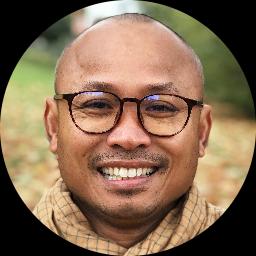
Chheayudh Chhon
BACP· Accepting clientsUnited Kingdom · 3 yrs exp
Stress, Anxiety · Trauma and abuse · Grief · Depression · +16 more
Read profileThe therapy listings are provided by BetterHelp and we will earn a commission if you use our link - at no cost to you.
Accessing therapy in your mother tongue can make a meaningful difference to how you express feelings and make progress. Browse Khmer-speaking therapists below to find a practitioner who matches your needs and cultural background.
When you speak with a therapist in Khmer you engage parts of yourself that are closely tied to memory, family life and cultural meaning. Emotions shaped by childhood experiences and community norms often come with language-specific expressions and idioms that do not translate easily. Speaking in your native language can help you find the precise words for complex feelings, reveal culturally rooted beliefs, and allow deeper reflection without the extra mental effort of translating thoughts into a second language.
Therapeutic work is not only about symptoms - it is about understanding how you make sense of your life. Language carries context: ways of relating, humour, and social expectations. A Khmer-speaking therapist can recognise those subtle cues and respond in a way that feels familiar, which can accelerate trust and help you explore sensitive topics with greater ease. For many people the comfort of using their first language reduces the distance between thinking and feeling, so sessions can feel more natural and productive from the start.
If you try therapy in a language that is not your strongest, you may notice that it takes longer to explain things and that certain experiences feel flatter or less complete. You might avoid discussing painful memories because translating them feels awkward or you cannot find the cultural words that convey nuance. This can slow progress and make therapeutic strategies less effective because your therapist may miss layered meanings rooted in family or community customs.
Language barriers can also influence how you interpret questions and suggestions. A phrase that is intended to be neutral in one language may carry positive or negative connotations in another. Misunderstandings can build up slowly and affect the therapeutic alliance - the working relationship between you and the therapist - which is a major factor in outcomes. For these reasons, finding a Khmer-speaking practitioner can reduce misunderstandings, allow richer emotional expression, and give you the confidence to tackle difficult issues.
Online therapy means you can meet a Khmer-speaking therapist from home, during a break from work, or from another safe setting that suits you. Sessions typically take place via video call, though some therapists also offer telephone or messaging options. You should expect the therapist to discuss confidentiality, the length and frequency of sessions, and how to handle cancellations or emergencies at the first appointment. Therapists in the UK will often explain their registration, therapeutic approach, and whether they work with individuals, couples or families.
When you choose a Khmer-speaking therapist, the conversation will likely reflect shared cultural references and norms. That can shape how goals are set and how progress is measured. You may find that the therapist understands expectations around family roles, respect for elders, or the ways mental health is discussed in your community. This cultural fluency helps the therapist adapt interventions so they are relevant and respectful. If you have preferences about directness, modesty, or spiritual beliefs, you can raise them early on to ensure the therapist tailors sessions to your style.
Many Khmer speakers worry about stigma and what others in their family or community might think. Mental health conversations can feel sensitive because of expectations to appear resilient and preserve family honour. This can make it harder to ask for help or to discuss issues openly. You might also be unsure about where to begin - whether to see a counsellor, a psychologist, or an accredited therapist - and how to check credentials in the UK system.
Practical barriers are also common. Limited availability of Khmer-speaking practitioners in local areas can lead to frustration, and negotiating childcare, work hours or transport can make in-person appointments difficult. Some people are unsure how online therapy works or worry it will feel impersonal. It is normal to have questions about confidentiality, record keeping and how to involve family members. Speaking these concerns to a potential therapist can clarify expectations and help you choose an approach that feels manageable.
Online therapy offers broader access to practitioners who speak Khmer, particularly if you live in an area with few in-person options. You can reach therapists across the UK without the need for long travel times. This flexibility makes it easier to find someone whose cultural background, therapeutic style and specialisms align with your needs. Online sessions can also fit around work and family life, enabling more consistent attendance which supports steady progress.
For many people, the screen can provide a comfortable distance that helps with opening up. You may feel more able to speak freely from your own environment, whether that is your home or another quiet place. Online work also allows you to involve family members or interpreters when appropriate, and it can make access easier for those with mobility or health limitations. While not every therapist or issue is suited to remote work, many clients find that online therapy in Khmer is an effective and accessible way to receive support.
Start by clarifying what you want from therapy - whether you are looking for short-term support with a specific issue or longer-term exploration of relationships and identity. Search profiles for therapists who list Khmer as a language and check their registration, qualifications and therapeutic approach. In the UK many practitioners will state if they are registered with a professional body or hold accredited training - these details help you understand their background and standards of practice.
Arrange an initial conversation or assessment session to get a feel for the therapist's style. Use this time to ask how they work with cultural issues, how they handle data and record keeping, and what they expect from sessions. Notice how they respond to your questions and whether you feel understood. It is normal to try a few therapists before finding the right fit. Trust and comfort develop over time, but your first impressions matter - the right match will leave you feeling heard and respected.
Finally, consider practical factors such as session length, fees, availability and whether they offer evening or weekend appointments if you need them. If you have specific needs - for example, support for bereavement, trauma, parenting or relationship issues - look for practitioners who mention those areas. Taking these steps can help you find a Khmer-speaking therapist who meets both your cultural needs and therapeutic goals, making it more likely that you will benefit from the work you do together.