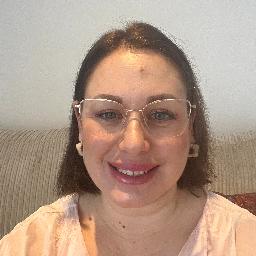
Dagmar Salamonova-Clark
BACP· Accepting clientsUnited Kingdom · 14 yrs exp
Addictions · Relationship · Family · Eating · +16 more
Read profileThe therapy listings are provided by BetterHelp and we will earn a commission if you use our link - at no cost to you.
Accessing therapy in your native language can make a profound difference to how you understand and work through difficult feelings. Below you can browse Slovak-speaking therapists who offer support to people living in the UK.
Use the listings to compare qualifications, approaches and availability, then reach out to arrange an initial appointment.
United Kingdom · 14 yrs exp
Addictions · Relationship · Family · Eating · +16 more
Read profile
United Kingdom · 4 yrs exp
Stress, Anxiety · Relationship · Grief · Intimacy-related issues · +13 more
Read profile
United Kingdom · 3 yrs exp
Stress, Anxiety · Grief · Sleeping · Self esteem · +1 more
Read profile
United Kingdom · 3 yrs exp
Stress, Anxiety · Addictions · Trauma and abuse · Depression · +1 more
Read profile
United Kingdom · 9 yrs exp
Relationship · Trauma and abuse · Grief · Parenting · +11 more
Read profile
United Kingdom · 7 yrs exp
LGBT · Relationship · Trauma and abuse · Grief · +15 more
Read profileWhen you speak with a therapist in Slovak you remove an extra barrier between your inner world and the person helping you to explore it. Language shapes the way you think about experiences, craft metaphors, and name emotions. Discussing complex memories, cultural expectations or family dynamics in your native tongue often lets you express nuance that can be lost in translation. That subtlety matters because therapy is built on accurate understanding - both what you say and how you say it. Communicating in Slovak can help you feel understood more quickly and can reduce the emotional distance that sometimes arises when you work in a second language.
Beyond basic comprehension, therapy in Slovak may allow cultural references, humour and shared social context to be recognised without explanation. That resonance can make it easier to build trust and to tackle topics that feel sensitive or shame-laden. You may find that metaphors, idioms or childhood experiences land differently when they are discussed in the language in which they first occurred. For many people this leads to deeper insight and clearer pathways for change.
Language barriers can influence both the practical aspects of therapy and the emotional progress you make. Practically, working through a translator or in a non-native language can create delays and misinterpretations. Emotional expression can feel flattened when you lack the words to capture subtle feelings like ambivalence, regret or longing. This can lead to frustration, superficial sessions and a sense that therapy is not helping as much as it might.
You may notice that important details are left out, or that sessions focus more on logistical problem solving than on exploring deeper patterns. Misunderstandings can also affect how a therapist formulates a treatment plan. If the nuances of cultural context or idiomatic speech are missed, interventions may feel less relevant. Choosing a therapist who speaks Slovak reduces the risk of these gaps and helps ensure your experience and needs are central to the work you do together.
Online therapy typically takes place via video calls, telephone or messaging. When you choose a Slovak-speaking therapist who works remotely, you can access sessions from anywhere in the UK, which can be more convenient for busy schedules or for those living outside major cities. Expect to discuss practicalities in your first contact - appointment length, fees, the therapist's professional registration, and how they approach therapy. Many therapists will offer an initial consultation so you can check whether their style and specialisms match your needs.
Therapists who work in Slovak may practise from a variety of theoretical backgrounds - for example psychodynamic, cognitive-behavioural, integrative or humanistic approaches. Most will tailor techniques to suit your goals and cultural background. Online sessions can be highly effective when both you and the therapist feel comfortable with the technology and with how you will manage emotional moments during a remote conversation. You should expect to agree a plan for practical matters such as appointment confidentiality, session length and any follow-up work between sessions.
Stigma around mental health can be a significant barrier, especially among communities where seeking help is seen as a weakness or where there is strong emphasis on family resilience. You might worry about being judged by family members or about how talking to a therapist fits with cultural expectations. Recognising these concerns is an important part of the therapeutic conversation. A therapist who understands Slovak cultural norms can help you navigate these pressures while respecting your values and choices.
Another common concern is simply finding a qualified professional who speaks Slovak. You may also worry about cost, availability and how to verify a practitioner's registration or experience. In the UK most therapists are registered with professional bodies and will list their qualifications and areas of expertise. It is reasonable to ask about a therapist's training, years of practice and experience working with clients from similar cultural backgrounds. Online therapy can ease geographic limitations, but you may still want to check availability for times that suit your daily routine.
Online therapy expands your options by connecting you with professionals across the UK who speak Slovak, not just those in your immediate area. This increased access can be especially valuable if there are few Slovak-speaking counsellors where you live. Remote work also offers flexibility so you can fit appointments around work, childcare or study. For people who feel anxious leaving home, or who prefer the familiarity of their own environment, online sessions can lower the threshold to getting help. You can also switch between video and phone sessions according to what feels most comfortable for you.
Start by clarifying what you want from therapy - whether you need short-term support for a specific problem or longer-term work. Look for therapists who state their registration and describe their therapeutic approach and specialisms. Read profiles carefully to find someone who mentions experience with cross-cultural issues, migration, family relationships or any specific topics that matter to you. It is perfectly acceptable to contact a few therapists to ask about their experience and whether they think they can help. During an initial consultation pay attention to how comfortable you feel speaking in Slovak, how the therapist responds to your concerns and whether their suggested plan aligns with your goals. Trust your instincts about tone and rapport - the quality of the relationship is a strong predictor of helpful outcomes.
Choosing a Slovak-speaking therapist can be a decisive step towards feeling better understood and making progress in ways that matter to you. Take your time comparing options, ask questions about training and approach, and choose a professional who helps you feel heard in the language that matters most.