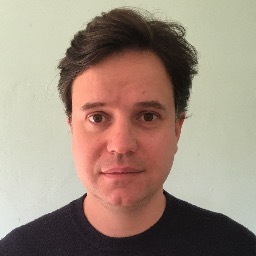
Gorazd Valjavec
BACPUnited Kingdom · 6 yrs exp
Stress, Anxiety · Relationship · Family · Intimacy-related issues · +12 more
Read profileThe therapy listings are provided by BetterHelp and we will earn a commission if you use our link - at no cost to you.
Speaking with a counsellor in Slovenian can help you access emotions, memories and cultural meaning more easily than working through a second language. Browse the Slovenian-speaking therapists below to find a registered counsellor who matches your needs and approach.
When you speak in your first language you tap into a larger emotional vocabulary and a set of cultural references that shape how you experience relationships, stress and wellbeing. Language carries more than words - it carries rhythms, idioms and ways of naming experience that are often learned within the family and community. For many people who grew up speaking Slovenian, certain feelings or childhood events make more sense when described in that language. Working with a therapist who shares that language means you are less likely to spend sessions translating and more likely to explore the nuance and context behind what you say. That can accelerate trust, deepen understanding and create a more meaningful therapeutic bond.
Speaking in your native language can also reduce the mental effort needed to find words and metaphors, which can make sessions feel more natural and less tiring. For some clients this means being able to access traumatic memories or complex family dynamics that felt too difficult to describe otherwise. For others it helps honour cultural values and norms while exploring change. Even if you are bilingual, having the option to switch into Slovenian for particular topics - such as grief, identity or family history - gives you greater flexibility in how you process and communicate sensitive material.
Language differences can create subtle but significant obstacles in therapy. Misunderstandings are more likely when a therapist and client do not share the same linguistic background, and those misunderstandings can lead to incorrect assumptions about feelings or intentions. You might find that humour, sarcasm or irony does not translate well, or that particular cultural references used by the therapist do not resonate with your experience. Over time this can erode the therapeutic alliance and reduce the effectiveness of interventions.
Language barriers also affect how you express emotional intensity. People often rely on specific words or phrases to convey sorrow, anger or shame, and those terms do not always have direct equivalents. The process of translating can dilute the intensity of what you want to say, or it can add cognitive load that leaves you exhausted after a session. For practitioners working with interpreters there are added complexities around nuance and trust. If you are concerned about being misunderstood, it is reasonable to raise this early with any potential therapist so you can agree how to handle moments when language becomes an obstacle.
Online therapy offers practical ways to connect with a Slovenian-speaking practitioner even if you live outside areas with large Slovenian communities. You can expect an initial assessment to explore your presenting concerns, preferences for therapy style and any cultural or language needs you have. Therapists will usually discuss their approach, whether that is integrative, person-centred, cognitive-behavioural or psychodynamic, and how they tailor work to clients who prefer to communicate in Slovenian.
Sessions typically take place by video call, although some therapists may offer phone calls or text-based options depending on the nature of the work and your comfort. You should expect clear information about fees, scheduling and cancellation policies, and an explanation of how your personal data is handled and who can access it. For UK residents there is the added benefit that many registered therapists follow national professional standards, which can make it easier to check qualifications and ethical practice. If technology is new to you, most therapists will walk you through the platform and suggest a quiet, comfortable place where you can talk without interruption.
Many Slovenian speakers worry about stigma within family and community. In some households and social circles seeking counselling is associated with weakness or loss of face, and that can make it harder to reach out. You might also be concerned about how to find a therapist who understands the specific cultural background that shaped your upbringing, including attitudes to mental health, religion and family dynamics. For people who emigrated to the UK, there is often the additional challenge of negotiating two cultures - wanting to honour family expectations while also adapting to new social norms - which can create internal tension.
Practical barriers are another common worry. You may not know where to check for credentials, how to evaluate a therapist’s experience with migration-related issues, or how to ask about language fluency and dialect. Financial constraints and uncertainty about how many sessions you will need can also feel daunting. These are understandable concerns and you can address them by preparing questions ahead of an initial conversation and by checking whether a therapist is registered with a recognised professional body in the UK. That registration indicates adherence to codes of practice and continuing professional development.
Online therapy widens your options. Rather than being limited to the therapists who happen to work in your city, you can connect with a counsellor who speaks Slovenian and specialises in the issues you care about - whether that is relationship counselling, trauma-informed work, perinatal support or identity questions. This flexibility also makes it easier to fit sessions around work and family commitments and to continue therapy if you move within the UK. For parents, shift workers or those in rural areas the convenience of remote sessions can make the difference between accessing help and going without.
When choosing a therapist, look for clear information about their registration, approach and experience with Slovenian clients or migration issues. Read biographies to see how they describe their cultural competence and consider arranging a brief initial call to get a sense of rapport and language fluency. Ask directly about which therapeutic methods they use, how they measure progress and what a typical session structure looks like. It is also appropriate to enquire about practicalities such as length and frequency of sessions, fees, and any policies on cancellations. If dialect or regional language differences matter to you, mention this so you can be confident your therapist will understand the specific terms and expressions you use.
Above all, trust your sense of fit. A good therapeutic relationship depends on mutual respect and feeling understood. If you try a few sessions and it does not feel right, it is okay to look for another practitioner. Finding the right Slovenian-speaking therapist can be a powerful step towards clearer communication with yourself and others, and online options make it increasingly possible to find someone who meets both your linguistic and clinical needs.