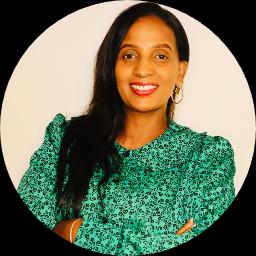
Selamawit Zere
BACPUnited Kingdom · 3 yrs exp
Stress, Anxiety · Relationship · Trauma and abuse · Grief · +1 more
Read profileThe therapy listings are provided by BetterHelp and we will earn a commission if you use our link - at no cost to you.
Accessing therapy in your native language can make a big difference to how you express feelings and build trust. Browse Tigrinya-speaking therapists below to find a registered counsellor who can support you in Tigrinya, whether online or locally.
When you talk to a therapist in Tigrinya you can use the rhythms, idioms and cultural references that feel most natural to you. That familiarity helps you say things that might otherwise feel lost in translation and allows the therapist to hear more than words - the tone, humour and cultural nuance that shape how you understand your experiences. For many people, discussing painful or delicate topics in a first language reduces the extra effort of translating emotions mentally and emotionally. Being understood in your mother tongue can deepen the therapeutic bond and help you and your therapist work more effectively together toward clearer goals.
Therapy is not just about solving problems. It is a collaborative process that depends on connection. If you grew up speaking Tigrinya at home or within your community, using that language in sessions can unlock memories, metaphors and family stories that are central to healing. You may find it easier to describe relationships, trauma, or cultural expectations when you are speaking in Tigrinya, and a therapist who understands those references can respond with greater sensitivity. That shared linguistic foundation can also make it easier to explore identity, migration experiences, intergenerational dynamics and faith or cultural practices that matter to you.
Language barriers are more than an inconvenience - they shape what you can say and how you feel understood. If you are working with a therapist who does not share your first language you may find yourself simplifying complex feelings or choosing words that sound right but do not capture the full meaning. That narrowing of expression can slow progress or lead to misunderstandings. Interpreters can help bridge gaps, but having a therapist who speaks Tigrinya removes an extra layer and allows subtler emotional work to emerge.
Misunderstandings caused by language differences can also influence clinical judgement and treatment planning. Cultural concepts, proverbs or humour that carry meaning in Tigrinya may not translate easily, and a therapist unfamiliar with those elements may miss important cues. When you work in your own language you reduce the mental load of translating and create more room to focus on reflection and change. You are also more likely to be honest about sensitive matters when you do not have to filter your thoughts through a second language, which improves the quality of dialogue and the relevance of interventions.
Online therapy in Tigrinya combines the convenience of digital appointments with the comfort of speaking your first language. You can expect sessions to follow many of the same principles as face-to-face work: an initial assessment, collaboratively set aims, and ongoing review of progress. Your therapist will explain their approach, whether that is integrative counselling, cognitive behavioural techniques adapted to your context, or other evidence-informed methods, and will discuss how therapy can fit around your life and commitments in the UK.
Online sessions can be especially helpful if you live outside major urban centres or if travel and time constraints make in-person meetings difficult. You will want to agree practical details at the outset - appointment length, frequency, fees and how to contact the therapist between sessions if needed. Therapists registered with UK professional bodies will typically describe their professional training, areas of specialism and registered status on their profile. Before your first session you might choose to ask about cultural knowledge, familiarity with Tigrinya idioms and experience supporting clients from Eritrean or Tigrayan backgrounds so you feel confident about the therapeutic fit.
Many people who speak Tigrinya worry about cultural stigma, community expectations and the fear that accessing help could change their standing within family or social networks. You may also be uncertain about whether therapy aligns with religious and cultural values, or nervous about discussing trauma that involves family members or migration experiences. These concerns are valid and can be discussed with a therapist who understands the cultural landscape from which you come. A therapist who speaks Tigrinya can acknowledge those pressures and work with you to navigate them respectfully.
Finding a therapist who speaks Tigrinya can also feel challenging because of limited availability. You might worry about continuity of care, appointment times that fit with work or family responsibilities, or the cost of sessions. It helps to be clear about your priorities - whether that is seeing someone who shares your language, has experience with particular issues, or offers flexible online appointments. Many people find that being open about practical barriers in early conversations leads to workable solutions, such as moving between online and in-person sessions or adjusting frequency to suit your current needs.
Online therapy broadens your choices and can connect you with Tigrinya-speaking therapists across the UK. That wider access makes it more likely you will find someone whose experience and approach match your needs, whether you are dealing with anxiety, depression, grief, relationship issues or migration-related stress. Online work also offers flexibility, allowing you to schedule sessions around work shifts, childcare or travel. You can create a comfortable setting at home for your sessions, which helps many people feel more at ease when discussing private matters in Tigrinya.
When choosing a therapist look for clear information about their registration, training and areas of specialism. It is reasonable to ask about their experience with Tigrinya-speaking communities and how they adapt therapeutic methods to cultural context. Consider arranging an initial consultation to see if their style feels right for you - that conversation can cover how they handle confidentiality, appointment logistics and what to expect in the first few sessions. Pay attention to practical fit as well as cultural and linguistic match, because a relationship that feels respectful, consistent and well organised supports better outcomes. Finally, trust your sense of comfort: if you do not feel heard in early sessions it is okay to look for another practitioner who better meets your needs.
Searching for a Tigrinya-speaking therapist is an important step towards getting support that honours your language and culture. Use profiles to compare approaches, check registration with recognised UK bodies, and book an initial conversation to explore fit. Therapy can be a long-term resource or a focused short course of sessions depending on what you want to achieve. By choosing a therapist who speaks Tigrinya you increase the chance of being fully understood and finding practical ways to move forward in your life.