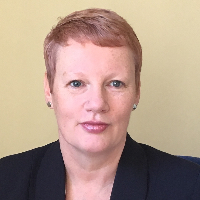
Jessica Sullivan
BACP· Accepting clientsUnited Kingdom · 20 yrs exp
Relationship · Family · Trauma and abuse · Grief · +10 more
Read profileThe therapy listings are provided by BetterHelp and we will earn a commission if you use our link - at no cost to you.
This page lists counsellors and therapists who specialise with older (45+) adults across the UK. Browse the listings below to compare qualifications, therapeutic approaches and availability and to find a good match.
United Kingdom · 20 yrs exp
Relationship · Family · Trauma and abuse · Grief · +10 more
Read profile
United Kingdom · 27 yrs exp
Stress, Anxiety · Relationship · Grief · Intimacy-related issues · +13 more
Read profile
United Kingdom · 20 yrs exp
Stress, Anxiety · Relationship · Family · Trauma and abuse · +13 more
Read profile
United Kingdom · 35 yrs exp
Stress, Anxiety · Relationship · Grief · Parenting · +7 more
Read profile
United Kingdom · 20 yrs exp
Relationship · Family · Grief · Depression · +14 more
Read profile
United Kingdom · 25 yrs exp
Stress, Anxiety · Relationship · Trauma and abuse · Anger · +10 more
Read profile
United Kingdom · 20 yrs exp
Addictions · Relationship · Trauma and abuse · Self esteem · +12 more
Read profile
United Kingdom · 22 yrs exp
Stress, Anxiety · Addictions · Relationship · Family · +14 more
Read profile
United Kingdom · 28 yrs exp
Stress, Anxiety · Relationship · Grief · Depression · +10 more
Read profile
United Kingdom · 27 yrs exp
Stress, Anxiety · Relationship · Eating · Self esteem · +16 more
Read profile
United Kingdom · 21 yrs exp
Stress, Anxiety · Relationship · Trauma and abuse · Self esteem · +10 more
Read profile
United Kingdom · 21 yrs exp
Stress, Anxiety · Family · Trauma and abuse · ADHD · +11 more
Read profile
United Kingdom · 40 yrs exp
Relationship · Family · Grief · Parenting · +14 more
Read profile
United Kingdom · 22 yrs exp
Stress, Anxiety · Relationship · Family · Grief · +16 more
Read profile
United Kingdom · 26 yrs exp
Stress, Anxiety · Trauma and abuse · Grief · Depression · +11 more
Read profile
United Kingdom · 22 yrs exp
Stress, Anxiety · Addictions · LGBT · Trauma and abuse · +16 more
Read profile
United Kingdom · 28 yrs exp
Stress, Anxiety · LGBT · Relationship · Grief · +15 more
Read profile
United Kingdom · 36 yrs exp
Stress, Anxiety · Relationship · Family · Grief · +11 more
Read profile
United Kingdom · 23 yrs exp
Stress, Anxiety · Relationship · Grief · Self esteem · +7 more
Read profile
United Kingdom · 40 yrs exp
Stress, Anxiety · Relationship · Family · Self esteem · +10 more
Read profile
United Kingdom · 25 yrs exp
Stress, Anxiety · Relationship · Family · Intimacy-related issues · +13 more
Read profile
United Kingdom · 26 yrs exp
Stress, Anxiety · Relationship · Trauma and abuse · Grief · +10 more
Read profile
United Kingdom · 22 yrs exp
Stress, Anxiety · Self esteem · Career · Coping with life changes · +5 more
Read profile
United Kingdom · 24 yrs exp
Addictions · Family · Trauma and abuse · Depression · +13 more
Read profileWhen therapists refer to a speciality working with older (45+) clients they are acknowledging that people in midlife and beyond often face a cluster of challenges and transitions that can affect wellbeing. You may be juggling career changes, preparing for retirement, managing long-term health concerns, supporting ageing relatives or navigating shifts in intimate relationships. Cultural attitudes about ageing, workplace pressures and changing family roles can all influence how you experience this stage.
These life events do not always mean there is a mental health condition, yet they can trigger worry, low mood, stress or a sense of loss of direction. Counsellors and therapists who specialise with older adults understand how midlife themes - identity, purpose, grief, and changing bodies - interact with emotional life. They draw on approaches attuned to the lifespan to help you reflect on priorities, adjust to new circumstances and rebuild a sense of agency as you move into the next phase.
You might consider therapy if you find you are feeling persistently low, unusually anxious about the future, or if you notice changes in sleep, appetite or motivation that interfere with daily life. Relationship strain, repeated conflicts with a partner or adult children, prolonged grief after loss, or feeling unable to manage caregiving responsibilities are common reasons people seek support. Work-related stress, burnout, or uncertainty about retirement plans can also trigger a desire to talk things through with a professional.
It can also be helpful to seek therapy if you notice a stronger sense of isolation, increased substance use as a coping strategy, or difficulty making decisions that once felt straightforward. You do not need to be in crisis to benefit from therapy. Many people come because they want a reflective space to explore values, plan practical changes, or build resilience for the coming years. If you are unsure whether therapy is appropriate, an initial consultation with a counsellor can help clarify your goals.
Therapists typically begin with an initial assessment to understand your history, current concerns and what you hope to achieve. This session is an opportunity to discuss practical matters such as session length, frequency, fees and how your personal information will be handled with professional discretion. Most individual sessions last around 50 to 60 minutes, and many people start with weekly appointments before moving to a less frequent rhythm as goals are met.
Therapy for older adults often combines a focus on present difficulties with exploration of life-stage themes. You may work on coping strategies for anxiety or low mood, process grief or role changes, or map out practical steps towards transitions like retirement. Therapists will tailor the pace to your needs, taking account of any physical health issues, cognitive changes or medication that might affect your engagement. Family or couples sessions can also be arranged when relational dynamics are central to your concerns. Expect a collaborative process where you and the therapist agree on aims and review progress periodically.
There is no single method that fits everyone, but several well-established approaches are frequently used with people aged 45 and over. Cognitive behavioural therapy - CBT - helps you identify and test unhelpful thinking patterns and develop practical coping strategies for anxiety or low mood. Acceptance and Commitment Therapy - ACT - supports you in clarifying values and committing to meaningful actions even when difficult emotions remain present. Both are evidence-informed and adaptable to midlife issues.
Psychodynamic therapy offers a longer-term option where you explore patterns rooted in earlier relationships and how they influence current behaviour. Person-centred counselling emphasises empathy and a non-directive stance, providing a warm environment in which you can find your own solutions. Narrative therapy can be particularly useful if you want to reframe life stories and create a renewed sense of identity. For someone processing trauma, trauma-informed approaches and therapies such as EMDR may be offered by therapists with specific training. Bereavement-focused and life-review approaches are also common, helping you to integrate loss and reflect on achievements and regrets in a supportive setting.
Online therapy has become a routine option for many people and can be a highly practical choice if mobility, caregiving duties or work commitments make attending an in-person appointment difficult. You can attend sessions from home or another familiar place, using video calls, telephone or secure messaging as agreed with your therapist. You should check that your internet connection and device camera and microphone work reliably, and find a quiet area where you can talk without interruption. If you prefer an in-person appointment, many therapists offer a comfortable consultation room or a private space in a local clinic.
When arranging online therapy, ask about the platform the therapist uses and whether they provide guidance on managing privacy at your end. Therapists registered with recognised UK bodies such as BACP, HCPC or NCPS will have practice standards that cover online working, record keeping and safeguarding. Online sessions can mirror face-to-face work in many ways - you can set goals, review progress and learn coping skills - though some people prefer to combine online and in-person sessions. If you have sensory or technological needs, discuss these at the outset so the therapist can adapt the format to help you engage fully.
Start by checking that a counsellor or therapist is appropriately registered and has experience working with people in midlife and later adulthood. Look for registration with BACP, HCPC or NCPS, and read profiles to see whether they list relevant experience such as bereavement support, work with carers, or expertise in chronic health conditions. Specialised training in areas like grief, trauma or couples therapy can be a strong indicator that a therapist has the skills to address your particular issues.
Think about the therapeutic approach that appeals to you. If you want structured tools and homework, CBT might suit you. If you prefer a reflective space to explore meaning and identity, person-centred or psychodynamic work could be a better fit. Consider practical matters such as session times, fees, cancellation policies and whether the therapist offers evening appointments or online sessions. If mobility or transport is a concern, online or local clinic options can make attendance easier.
Therapeutic change depends heavily on the relationship you build with your counsellor, so trust and a sense of fit are important. Many therapists offer a brief initial consultation so you can get a feel for their style and decide whether you would be comfortable sharing personal material. You might ask about how they work with older clients, their experience with issues similar to yours, and how they measure progress. Clear communication about boundaries, record keeping and how to contact them between sessions helps set expectations.
When you browse listings, take time to read profiles and any client guidance. If you are considering independent (self-employed) practitioners, check their registration status and read any available testimonials. Some therapists offer a sliding fee scale or concessionary rates, and others may be available through workplace schemes or local health services. If you are already using NHS services, a therapist in independent practice may still complement NHS care, and many professionals are familiar with coordinating with GP referrals when needed.
Choosing a counsellor is a personal decision. Give yourself permission to speak to a couple of therapists before committing, and remember that it is reasonable to change practitioner if the fit is not right. Good therapy should leave you feeling understood, with clearer goals and practical steps you can take to improve wellbeing as you move through midlife and beyond.
Finding the right therapist for older (45+) concerns can help you navigate transitions with greater clarity and resourcefulness. Use the listings above to compare accredited professionals, check their experience and reach out for an initial conversation to see who feels right for you.