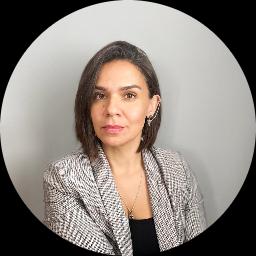
Shushanik Gasparyan
BACP· Accepting clientsUnited Kingdom · 8 yrs exp
Stress, Anxiety · Trauma and abuse · Self esteem · Depression · +12 more
Read profileThe therapy listings are provided by BetterHelp and we will earn a commission if you use our link - at no cost to you.
Therapy in a shared language can deepen understanding and make it easier to express complex feelings. Below you can browse profiles of Armenian-speaking therapists who offer consultations and online sessions.
Use the listings to compare experience, approaches and availability so you can find a counsellor who feels right for you.
United Kingdom · 8 yrs exp
Stress, Anxiety · Trauma and abuse · Self esteem · Depression · +12 more
Read profile
United Kingdom · 20 yrs exp
Stress, Anxiety · LGBT · Trauma and abuse · Self esteem · +6 more
Read profileHaving therapy in Armenian can change the way you talk about yourself and your experiences. Language carries cultural nuances, idioms and emotional textures that do not always translate easily. When you and your therapist speak the same language, the conversation can feel more natural and less effortful, which helps you focus on the issues rather than on finding the right words. Many people find that memories, humour and deep feelings are more accessible when expressed in their mother tongue. This can be especially important if your concerns are tied to migration, family dynamics, intergenerational expectations or cultural identity. A therapist who understands the language can also pick up on subtle cues, metaphors and emotional rhythms that are culturally specific, making the therapeutic work more resonant and meaningful.
Beyond emotional nuance, language alignment can affect trust and rapport. You are more likely to feel heard and understood when the therapist can respond with cultural sensitivity and linguistic precision. That does not mean every Armenian-speaking therapist will share the same background or beliefs, but it does reduce one significant barrier to being fully open. For many people, this creates a stronger foundation for exploring sensitive topics and making progress in therapy.
Language barriers are more than an inconvenience - they shape the scope and depth of therapy. If you are working through trauma, grief or identity issues, being forced to translate feelings into another language can flatten emotional intensity and slow the therapy process. You might find yourself sticking to practical descriptions rather than allowing yourself to use metaphors, slang or regional expressions that carry deeper meaning for you. Misunderstandings can also occur when a therapist interprets a phrase literally, rather than recognising a culturally specific way of speaking. These small mismatches can add up, making sessions feel less productive and leaving you with the sense that the therapist does not quite grasp your experience.
Another effect of language mismatch is on emotional safety. If you are worried about being judged or misunderstood, you may hold back, censoring yourself in ways that prevent the therapy from addressing core problems. This can lead to frustration and a tendency to stop therapy prematurely. Working with an Armenian-speaking counsellor reduces this friction and allows you to express thoughts and emotions more fully, which often leads to clearer insights and more practical clinical work.
Online therapy is now a common way to access Armenian-speaking therapists across the UK. Sessions usually take place by video call, telephone or secure messaging, offering flexibility if you are balancing work, family or travel. You can expect an initial assessment where the therapist will ask about your reasons for seeking help, your current circumstances and any previous therapy experience. This is also a good time to discuss practical arrangements such as session length, fees, cancellation policies and whether the therapist is registered or accredited with a recognised UK professional body. Therapists commonly practise within different therapeutic models - for example cognitive behavioural approaches, psychodynamic work, humanistic counselling or integrative methods - and they should explain how their approach fits your needs.
In practical terms, prepare for your first online session by choosing a quiet, comfortable environment where you can speak freely. If you prefer Armenian for all parts of the session, check that the therapist can work in Armenian throughout, including written materials and session summaries. Many therapists who offer online work are experienced in adapting interventions to remote formats, helping you build skills and insight in ways that fit your life. Online sessions also make it easier to maintain continuity if you move within the UK or travel for a period of time, while still keeping connections with a therapist who understands your language and cultural context.
There are several concerns that often come up for Armenian speakers looking for therapy. Cultural stigma around mental health remains a barrier for many families and communities. You might worry about how your community will react if they learn you are in therapy, or you may have internalised messages that asking for help is a sign of weakness. These concerns are valid and worth exploring in therapy itself. A therapist who understands Armenian culture can help you navigate family expectations and find ways to reconcile personal needs with communal values.
Another common worry is finding a practitioner who shares your dialect or cultural background. The Armenian diaspora includes people with roots in different regions and histories, and these differences can matter in how you talk about religion, history and family practices. While a therapist does not need to share your background to be effective, many clients find it helpful when their counsellor shows cultural curiosity and humility. Practical barriers also exist, including limited availability of Armenian-speaking therapists in certain areas and uncertainty about how to verify a therapist's registration or specialisms. Asking direct questions about experience with Armenian clients and about professional registration can help you find someone appropriate and reassuring.
Online therapy expands your options beyond local availability. If you live in an area with few Armenian-speaking counsellors, remote sessions allow you to work with someone elsewhere in the UK who understands your language and culture. This flexibility can reduce waiting times and give you more choice in therapeutic approaches and practical arrangements. Online work can also be scheduled around busy lives, making it easier to maintain regular sessions even when commitments change.
When selecting an Armenian-speaking therapist, consider both professional credentials and interpersonal fit. Look for therapists who are registered or accredited with a recognised UK body and who list experience working with Armenian clients or cultural issues relevant to your background. It is reasonable to ask about their therapeutic approach, typical session length, and whether they offer online-only or a mix of online and face-to-face appointments. Trust your first impressions during an initial consultation - feeling heard and respected from the outset matters as much as technical qualifications. You might want to ask how they handle safeguarding, confidentiality of records and emergency contact procedures, and whether they can provide materials or exercises in Armenian.
Finally, give yourself permission to try a couple of sessions and then reassess. Therapy is a collaborative process, and finding the right match may take time. If you do not feel that the therapist is helping you make progress or that the cultural understanding is lacking, it is acceptable to look for someone else. A good therapist will support that decision and, if appropriate, offer referrals to colleagues who might be a better fit.
Seeking therapy in Armenian is a step towards clearer communication, deeper emotional work and culturally informed care. Whether you prefer online sessions for flexibility or are looking for a counsellor with specific cultural experience, taking time to find the right Armenian-speaking therapist can make the therapeutic journey more effective and personally meaningful.