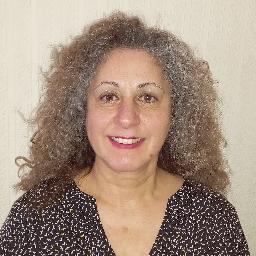
Fariba Shahbakhti-Warrington
BACP· Accepting clientsUnited Kingdom · 3 yrs exp
Stress, Anxiety · Addictions · Family · Trauma and abuse · +9 more
Read profileThe therapy listings are provided by BetterHelp and we will earn a commission if you use our link - at no cost to you.
Speaking to a therapist in your native language can make a big difference to how you understand and are understood. Below you can browse Persian-speaking therapists who work with UK clients and offer online or face-to-face appointments.
Please use the filters to refine your search by therapy approach, therapist registration and availability, and reach out when you feel ready to book an initial session.
United Kingdom · 3 yrs exp
Stress, Anxiety · Addictions · Family · Trauma and abuse · +9 more
Read profile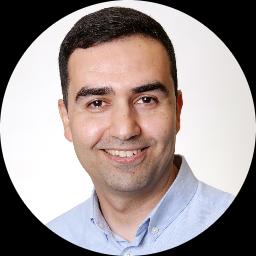
United Kingdom · 7 yrs exp
Stress, Anxiety · Relationship · Family · Self esteem · +5 more
Read profile
United Kingdom · 5 yrs exp
Stress, Anxiety · Trauma and abuse · Self esteem · Coping with life changes · +15 more
Read profile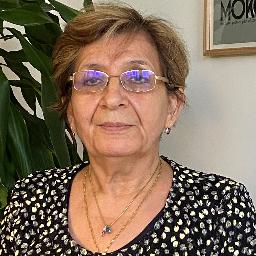
United Kingdom · 17 yrs exp
Relationship · Family · Grief · Parenting · +12 more
Read profile
United Kingdom · 19 yrs exp
Stress, Anxiety · Trauma and abuse · Anger · Depression · +1 more
Read profile
United Kingdom · 7 yrs exp
Stress, Anxiety · Addictions · Grief · Self esteem · +1 more
Read profile
United Kingdom · 11 yrs exp
Stress, Anxiety · Addictions · Relationship · Trauma and abuse · +16 more
Read profile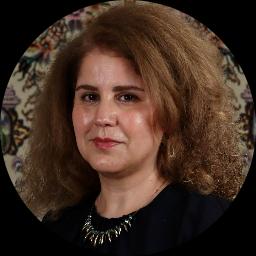
United Kingdom · 5 yrs exp
Stress, Anxiety · Relationship · Trauma and abuse · Intimacy-related issues · +12 more
Read profile
United Kingdom · 14 yrs exp
Stress, Anxiety · Relationship · Trauma and abuse · Intimacy-related issues · +13 more
Read profile
United Kingdom · 4 yrs exp
Stress, Anxiety · Relationship · Family · Self esteem · +13 more
Read profile
United Kingdom · 10 yrs exp
Stress, Anxiety · Relationship · Parenting · Self esteem
Read profile
United Kingdom · 5 yrs exp
Stress, Anxiety · Relationship · Family · Trauma and abuse · +1 more
Read profile
United Kingdom · 4 yrs exp
Stress, Anxiety · Trauma and abuse · Grief · Depression · +1 more
Read profile
United Kingdom · 3 yrs exp
Stress, Anxiety · Trauma and abuse · Grief · Self esteem · +1 more
Read profileWhen you speak in your mother tongue you are often able to access nuances of feeling, childhood memories and cultural references that may not translate easily into English. Therapy is built on the relationship between you and your counsellor, and language is one of the essential tools that shapes that relationship. A Persian-speaking therapist can recognise idioms, proverbs and emotional expressions that carry particular meaning in Persian, which can help you feel more understood and reduce the time spent explaining basic cultural context. That alone can make it easier to focus on the issues you want to work on rather than translating your experience as you go.
For many people from Persian-speaking backgrounds, language is closely tied to identity, family roles and intergenerational dynamics. Being able to name sensations, tears, anger and relief in Persian can change how you process those experiences. You may find it simpler to describe complicated family histories or faith-related concerns when you do not have to pause to search for words. This can make therapy more direct and emotionally resonant, which often supports deeper progress over time.
Language barriers can shape both the pace and the perceived effectiveness of therapy. If you are working with a practitioner who does not speak Persian, misunderstandings can arise not only around specific words but in tone, humour and subtle emotional cues. You might avoid bringing up certain topics because you worry they will not be understood, or you may feel exhausted from translating your thoughts mid-session. This extra effort can reduce the emotional bandwidth you have available for reflection and change.
Translating trauma or complex feelings into a second language may also make them feel distant or less vivid, which can affect the therapeutic process. If you notice that you hold back, speak in abstractions or frequently switch to Persian only in moments of high emotion, these are signs that language is shaping what you can access in therapy. Choosing a Persian-speaking counsellor can remove that friction and allow you to engage more fully with the work in a way that feels natural and honest.
Online therapy often follows the same basic structure as in-person work - regular sessions at an agreed frequency, an initial assessment, and ongoing review of goals. With a Persian-speaking therapist you can expect to use Persian for the bulk of the session, including assessment questions, explanations of therapeutic approaches and reflection on your feelings. You should be able to ask about confidentiality arrangements, session length and cancellation policies in Persian, which helps you make an informed choice about continuing the work.
If you choose online sessions you will also want to find a reliable internet connection and a quiet place where you feel comfortable speaking openly. Many people find that being at home reduces the stress of travel and scheduling, and makes it easier to fit therapy around family and work commitments. You will still have the opportunity to explore emotional themes, learn new coping strategies and practise communication skills in the same way you would in a face-to-face appointment. If you have particular preferences about how often you meet, whether sessions are video or telephone-based, or whether you receive follow-up notes in Persian, discuss these at the outset so the therapist can tailor their approach.
There are several recurring concerns you might recognise if you are searching for a Persian-speaking therapist. Cultural stigma around mental health can make it difficult to take the first step, especially if you worry about how seeking help will be perceived by family or community. Many people also find that there are few locally available practitioners who speak Persian, which can be discouraging. You may be concerned about finding someone who understands the cultural norms that shaped your upbringing, or who appreciates the role of religion, extended family and community reputation in your decisions.
Another worry is whether the therapist is suitably registered and experienced. In the UK it is useful to look for counsellors or psychotherapists who are registered with recognised professional bodies, and to ask about their experience with particular issues such as migration stress, intergenerational conflict or relationship problems. You may also have preferences about the therapist's gender, dialect familiarity or therapeutic approach. These are all reasonable considerations and it is appropriate to raise them during an introductory call or message to ensure a good match.
One of the clearest benefits of online therapy is that it widens your access to Persian-speaking counsellors across the UK and beyond. If local options are limited, online sessions allow you to work with therapists who specialise in the issues you are facing, even if they work from a different city. This flexibility also makes it easier to arrange appointments outside typical working hours or around family commitments. For many people this removes a practical barrier to seeking help and increases the chance of finding a culturally and linguistically appropriate match.
Start by considering what matters most to you - whether that is a therapist who is registered with a recognised professional body, one who has experience with migration or trauma, or someone who shares a similar cultural background or dialect. Look at a therapist's profile for information on their training, therapeutic approach and areas of specialism. If you are unsure about technical terms, ask the therapist to explain how their approach works and how it might help your situation. An initial consultation is a good opportunity to check whether you feel heard and whether communication in Persian flows naturally between you.
When you reach out, briefly describe what has led you to seek therapy and what you hope to achieve. Ask about the therapist's registration, experience with issues relevant to you and practical details such as fees, session length and cancellation terms. You can also enquire about whether they offer text follow-ups or written resources in Persian if that would help you process sessions. Trust your instincts about rapport - if you feel relieved and understood after the introductory conversation, that is often a good sign. If you do not feel a fit, it is okay to try a different therapist; finding the right relationship is a key part of the process.
Working with a Persian-speaking counsellor can transform how you explore emotions, family history and identity. Whether you are looking for short-term support or longer-term psychotherapy, taking the step to communicate in the language that feels most natural to you can open up new possibilities for understanding and change. Use your initial searches and consultations to prioritise registration, experience and cultural fit, and remember that you deserve a therapeutic relationship where you can speak freely and be heard.