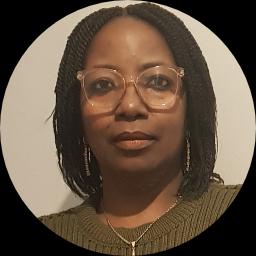
Elizabeth Gichuki
BACP· Accepting clientsUnited Kingdom · 6 yrs exp
Relationship · Family · Trauma and abuse · Grief · +12 more
Read profileThe therapy listings are provided by BetterHelp and we will earn a commission if you use our link - at no cost to you.
Accessing therapy in your native Swahili can deepen understanding, ease emotional expression and strengthen the therapeutic relationship. Browse Swahili-speaking therapists below to compare profiles, approaches and availability.
United Kingdom · 6 yrs exp
Relationship · Family · Trauma and abuse · Grief · +12 more
Read profile
United Kingdom · 4 yrs exp
Stress, Anxiety · LGBT · Family · Self esteem · +14 more
Read profile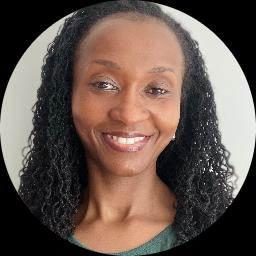
United Kingdom · 3 yrs exp
Stress, Anxiety · Relationship · Grief · Self esteem · +2 more
Read profile
United Kingdom · 6 yrs exp
Stress, Anxiety · Trauma and abuse · Self esteem · Depression · +1 more
Read profile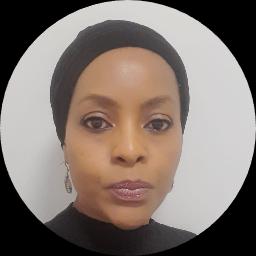
United Kingdom · 4 yrs exp
Stress, Anxiety · Relationship · Family · Self esteem · +1 more
Read profileWhen you talk about feelings, memories and personal history in the language you grew up with, words carry nuance that is hard to translate. Choosing a therapist who speaks Swahili helps ensure cultural references, idioms and emotional subtleties are understood without repeated explanation. That can make sessions feel more natural and reduce the emotional labour of translating thoughts back and forth. It also allows you to use metaphors, humour and speech rhythms that might otherwise be softened or lost in a second language. For many people, being able to express grief, shame or joy in a familiar tongue makes it easier to connect and to go deeper with issues that matter.
Beyond language alone, a Swahili-speaking therapist is more likely to share cultural context or to understand cultural dynamics that influence relationships, family expectations and beliefs about mental health. In the UK, where communities are diverse, that cultural alignment can be a key part of feeling heard and respected. Whether you are exploring identity, navigating family pressures, coping with migration-related stress or seeking support for anxiety and depression, therapy in Swahili can make the conversation feel more human and less technical.
Language barriers can shape what you bring into therapy and how therapeutic work unfolds. If you must use a second language to explain complex emotions, you may find yourself offering a more intellectual account rather than the raw feeling underneath. That can slow progress because the therapist may not hear the unfiltered affect that signals where the work is needed. Misunderstandings can also arise around idioms or culturally specific ways of describing distress, which can lead to frustration or the sense that you are not being fully seen.
When a therapist does not share your linguistic frame of reference, they may ask more clarifying questions or rely on general models that do not fit your lived experience. This is not necessarily harmful, but it can feel limiting. You may avoid bringing up certain topics because they seem too complicated to explain in another language, or you may understate the intensity of feelings because translating them feels awkward. Working in Swahili reduces those barriers and helps ensure your therapist picks up on subtle cues in what you say and how you say it, allowing for a richer, more accurate therapeutic process.
Online therapy can look similar to in-person work in structure, but the medium changes some practical elements. Typically, sessions run for a set time - often 50 to 60 minutes - and take place over video call, phone or messaging. With a Swahili-speaking therapist, you should expect the same opportunities for emotional exploration and therapeutic techniques as you would face-to-face, with the added convenience of joining from a location that suits you. Many therapists will explain their approach at the first session, discuss goals and agree on boundaries and practicalities including fees, cancellation policies and frequency of sessions.
Technical quality matters: a clear connection and reasonable privacy where you sit will help the session flow. You might want to test the platform and check your camera and microphone ahead of your first appointment. Cultural comfort also matters in online work - if using Swahili eases expression, mention any dialect or regional terms that feel important so your therapist can mirror language and tone. Therapists registered with UK professional bodies will also be able to discuss confidentiality practices and data handling, and they can explain how records are kept, what happens in emergencies and how to contact them between sessions if that is part of their offering.
Many Swahili speakers worry about stigma within family and community. Mental health conversations can feel shameful in contexts where talking about emotions is not common, or where struggles are seen as a sign of weakness. You may fear being judged or worry that seeking help will be misunderstood by relatives. These concerns can delay seeking support or lead people to look only for informal help within family networks. A therapist who understands the cultural landscape can help you weigh the benefits of disclosure and find strategies to manage family expectations while prioritising your wellbeing.
Another common challenge is finding therapists who both speak Swahili and have appropriate training. In the UK, it is useful to look for practitioners who are registered or accredited with reputable professional bodies, as this indicates recognised standards of practice. Cost and availability are practical hurdles too; some people need flexible hours because of work or caregiving responsibilities, while others are unsure how to navigate the referral and booking process. Language can compound these issues if you are also managing migration, legal or housing matters. Reaching out to community organisations, cultural centres and directories that list Swahili-speaking professionals can make it easier to identify suitable options.
Online therapy widens your choices. If there are few Swahili-speaking therapists near you, remote sessions allow you to connect with practitioners elsewhere in the UK. That increases the chance of finding a therapist whose training, therapeutic approach and cultural background align with your needs. Online work also offers practical flexibility - you can attend from home, a lunch break or another quiet setting, which helps if mobility, childcare or transport are barriers to in-person care.
When choosing a therapist, think about what matters most to you. Consider whether you prefer a practitioner who shares your cultural background or one who has specialist experience with the issues you want to address. Check the therapist's profile for their therapeutic approach, qualifications and whether they are registered with recognised UK bodies. It is reasonable to ask about session length, fees and cancellation policies before booking. Trust your first impression - an initial phone call or consultation can help you gauge rapport, language comfort and whether the therapist's style feels supportive.
Start by listing priorities such as language fluency, approach, availability and cost. Arrange an initial conversation to see how the therapist listens and whether they mirror your way of speaking. Ask about their experience working with people from similar cultural backgrounds and how they handle topics that may be sensitive within your community. If you are aiming for short-term focused work, ask about approaches that emphasise skills and coping strategies. If you want deeper exploration, enquire about long-term therapeutic models. Remember that it is acceptable to change therapists if the fit is not right; finding the correct match often makes the biggest difference to outcomes.
Accessing therapy in Swahili can be an important step towards clearer self-understanding and better emotional wellbeing. By choosing a therapist who speaks your language and respects your cultural context, you create space for honest conversation and effective therapeutic work. Use the listings above to compare profiles, read practitioner descriptions and take the first step towards support that fits your language and life.