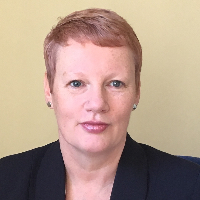
Jessica Sullivan
BACP· Accepting clientsUnited Kingdom · 20 yrs exp
Relationship · Family · Trauma and abuse · Grief · +10 more
Read profileThe therapy listings are provided by BetterHelp and we will earn a commission if you use our link - at no cost to you.
This page lists registered and accredited coaching therapists across the UK, with clear details on their qualifications, approaches and availability.
Browse the listings below to compare profiles and contact a counsellor who can help you make progress on your coaching goals.
United Kingdom · 20 yrs exp
Relationship · Family · Trauma and abuse · Grief · +10 more
Read profile
United Kingdom · 8 yrs exp
Stress, Anxiety · Relationship · Grief · Self esteem · +15 more
Read profile
United Kingdom · 15 yrs exp
Stress, Anxiety · Trauma and abuse · Grief · Depression · +14 more
Read profile
United Kingdom · 10 yrs exp
Stress, Anxiety · Relationship · Family · Trauma and abuse · +16 more
Read profile
United Kingdom · 6 yrs exp
Stress, Anxiety · Trauma and abuse · Grief · Depression · +14 more
Read profile
United Kingdom · 6 yrs exp
Relationship · Trauma and abuse · Grief · Self esteem · +15 more
Read profile
United Kingdom · 4 yrs exp
Stress, Anxiety · Relationship · Trauma and abuse · Self esteem · +16 more
Read profile
United Kingdom · 27 yrs exp
Stress, Anxiety · Relationship · Grief · Intimacy-related issues · +13 more
Read profile
United Kingdom · 5 yrs exp
Stress, Anxiety · Grief · Self esteem · Depression · +11 more
Read profile
United Kingdom · 6 yrs exp
Stress, Anxiety · Relationship · Self esteem · Depression · +13 more
Read profile
United Kingdom · 11 yrs exp
Relationship · Trauma and abuse · Anger · Self esteem · +11 more
Read profile
United Kingdom · 4 yrs exp
Stress, Anxiety · Sleeping · Self esteem · Career · +14 more
Read profile
United Kingdom · 15 yrs exp
Stress, Anxiety · Family · Trauma and abuse · Anger · +14 more
Read profile
United Kingdom · 11 yrs exp
Stress, Anxiety · Relationship · Family · Self esteem · +14 more
Read profile
United Kingdom · 5 yrs exp
Parenting · Anger · Self esteem · Coping with life changes · +15 more
Read profile
United Kingdom · 9 yrs exp
Stress, Anxiety · Relationship · Family · Trauma and abuse · +7 more
Read profile
United Kingdom · 15 yrs exp
Stress, Anxiety · Relationship · Trauma and abuse · Self esteem · +16 more
Read profile
United Kingdom · 5 yrs exp
Stress, Anxiety · Self esteem · Career · Depression · +10 more
Read profile
United Kingdom · 5 yrs exp
Stress, Anxiety · Relationship · Family · Trauma and abuse · +15 more
Read profile
United Kingdom · 3 yrs exp
Stress, Anxiety · Grief · Self esteem · Depression · +10 more
Read profile
United Kingdom · 7 yrs exp
Stress, Anxiety · LGBT · Family · Intimacy-related issues · +15 more
Read profile
United Kingdom · 5 yrs exp
Stress, Anxiety · Trauma and abuse · Self esteem · Coping with life changes · +15 more
Read profile
United Kingdom · 3 yrs exp
Stress, Anxiety · Depression · Coping with life changes · Addictions · +10 more
Read profile
United Kingdom · 5 yrs exp
Stress, Anxiety · Addictions · Grief · Self esteem · +16 more
Read profileCoaching-focused therapy brings together practical goal-setting with therapeutic attention to patterns of thinking and behaviour. If you decide to work with a coaching therapist you can expect a partnership that aims to identify clear objectives - such as career progression, improved confidence, healthier routines or navigating life transitions - while also exploring the emotional or psychological factors that might be getting in the way. The blend of coaching and therapeutic methods means you are likely to experience both tangible outcomes and shifts in how you respond to challenges. Many people report feeling more organised, more self-aware and better able to take action after a period of coaching work.
The impact of coaching-focused therapy is not only measured in achievements. You may notice changes in your day-to-day batteries - less rumination, more clarity when making decisions, and a steadier sense of direction. Because a therapist will often attend to underlying beliefs and emotional responses, you can also expect shifts in resilience and emotional regulation. In short, coaching-oriented therapy tends to combine short to medium-term goal attainment with longer-term changes in thinking and behaviour that support sustained progress.
You might consider coaching-oriented therapy if you find yourself repeatedly stuck at the same career or personal crossroads, or if confidence issues are stopping you from pursuing opportunities. If deadlines, promotion conversations or life transitions leave you anxious despite preparations, you may benefit from exploring both practical strategies and the thoughts that undermine them. Coaching work can also help when you know what you want but struggle to commit to a plan - for example, when procrastination, self-doubt or competing priorities prevent you from following through.
Other common triggers include a desire for clearer decision-making, a wish to change habits that are not serving you, or the need to recover direction after redundancy, relocation or a relationship shift. You do not need to be in crisis to book coaching therapy - many people seek it proactively to sharpen skills, boost resilience and create a sustainable plan for change. If you are unsure whether coaching or more traditional therapy is appropriate, an initial consultation with a registered professional can clarify the best approach for your circumstances.
Your first sessions will usually involve assessment and mutual agreement on goals. The therapist will ask about your history, current situation and what success would look like for you. This conversation sets the framework for the work to follow and helps the therapist tailor techniques to your needs. Sessions are typically structured around measurable objectives so that progress is clear, but there is also space to explore emotional blocks that may slow attainment of those objectives.
Subsequent sessions often alternate between practical planning and reflective exploration. You might work on action plans, time-management strategies or communication skills in one session and then explore patterns of thought or past experiences in the next. Homework between sessions is common - small, achievable tasks that reinforce change and provide material for discussion. Most coaching therapy appointments last 50 to 60 minutes, and many people commit to a set number of sessions to begin with, then review progress as they go.
Good coaching practice involves regular review points. You and your therapist will revisit goals, track improvements and adjust methods if progress stalls. This iterative approach keeps the work focused and ensures that the sessions remain relevant to your changing needs. Expect honest conversation about what is working and what needs to change; that feedback loop is central to achieving results.
Therapists who specialise in coaching often draw on evidence-informed approaches that match your goals. Cognitive behavioural techniques are widely used to identify unhelpful thinking patterns and replace them with more productive strategies - this is particularly helpful when self-doubt or anxiety undermines action. Solution-focused methods emphasise practical steps and quick wins, keeping momentum while you tackle larger issues. Narrative approaches can help you reframe your story and uncover strengths you may have overlooked.
Other approaches you may encounter include acceptance and commitment therapy, which combines values-based action with mindfulness-style techniques, and psychodynamic-informed coaching, which can illuminate how early patterns still shape your decision-making. Many therapists work integratively, combining methods to fit the particular mix of goals and challenges you bring. When you review profiles on this site, look for information on the therapist's training and registrations - for example BACP, HCPC or NCPS - which indicate recognised professional standards and additional specialised training.
Online coaching therapy has become a mainstream option and can be as effective as face-to-face work for many goals. Sessions are typically delivered via video call or telephone, with some therapists offering email or messaging support between appointments. The online format offers flexibility around location and scheduling, making it easier to fit regular sessions into a busy week. If you live outside major urban centres, online work can expand your choices and connect you with specialists who are not local to you.
To get the most out of online sessions, create a comfortable environment where you can speak without distraction. Use a reliable internet connection and join from a room where you feel at ease. Therapists will talk through confidentiality and boundaries at the start of the relationship, and you should agree practicalities such as session length, fees and cancellation policies. Many practitioners also maintain face-to-face clinics for those who prefer in-person support, so you can ask about blended approaches if that suits your needs.
Choosing a therapist is a personal process and it is reasonable to take your time. Start by looking for registered or accredited practitioners who list their training and memberships - BACP, HCPC or NCPS membership is a helpful indicator of professional standards. Read profiles to understand the therapist's approach, experience with specific issues like career change or performance anxiety, and practical details such as session length and fees. An initial consultation gives you an opportunity to assess rapport and clarity of approach - ask about how they set goals, how progress is measured and what a typical course of work looks like.
Trust your sense of fit. You are more likely to succeed if you feel heard and challenged in a way that motivates you. Consider practicalities too - whether their availability and fee structure match your circumstances, and whether online or face-to-face sessions suit your lifestyle. If a therapist uses outcome measures and regular reviews, that can help you see concrete movement toward your aims. Finally, remember that changing therapists is an option if the relationship does not feel right - finding a good match is part of the process of getting results.
Coaching therapy can be a powerful way to turn intention into action while addressing the personal patterns that shape your choices. By understanding what to expect and how different approaches may help, you can make a confident choice and begin work that supports both immediate goals and longer-term wellbeing.