
Amanda Bouvier
BACP· Accepting clientsUnited Kingdom · 15 yrs exp
Stress, Anxiety · Family · Grief · Depression · +12 more
Read profileThe therapy listings are provided by BetterHelp and we will earn a commission if you use our link - at no cost to you.
Browse accredited eating disorder counsellors and therapists who specialise in disordered eating, body image and recovery. Use the listings below to compare qualifications, therapeutic approaches and appointment options to find a practitioner who feels right for you.
United Kingdom · 15 yrs exp
Stress, Anxiety · Family · Grief · Depression · +12 more
Read profile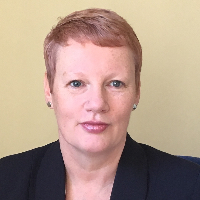
United Kingdom · 20 yrs exp
Relationship · Family · Trauma and abuse · Grief · +10 more
Read profile
United Kingdom · 5 yrs exp
Stress, Anxiety · Addictions · Trauma and abuse · Eating · +10 more
Read profile
United Kingdom · 5 yrs exp
Stress, Anxiety · Relationship · Family · Trauma and abuse · +14 more
Read profile
United Kingdom · 8 yrs exp
Stress, Anxiety · Relationship · Grief · Self esteem · +15 more
Read profile
United Kingdom · 15 yrs exp
Stress, Anxiety · Trauma and abuse · Grief · Depression · +14 more
Read profile
United Kingdom · 10 yrs exp
Stress, Anxiety · Relationship · Family · Trauma and abuse · +16 more
Read profile
United Kingdom · 9 yrs exp
Stress, Anxiety · Relationship · Family · Trauma and abuse · +12 more
Read profile
United Kingdom · 3 yrs exp
Stress, Anxiety · Addictions · Family · Trauma and abuse · +9 more
Read profile
United Kingdom · 6 yrs exp
Relationship · Trauma and abuse · Grief · Self esteem · +15 more
Read profile
United Kingdom · 4 yrs exp
Stress, Anxiety · Relationship · Trauma and abuse · Self esteem · +16 more
Read profile
United Kingdom · 10 yrs exp
Stress, Anxiety · Relationship · Intimacy-related issues · Eating · +13 more
Read profile
United Kingdom · 5 yrs exp
Stress, Anxiety · Grief · Self esteem · Depression · +11 more
Read profile
United Kingdom · 4 yrs exp
Stress, Anxiety · Relationship · Trauma and abuse · Grief · +12 more
Read profile
United Kingdom · 6 yrs exp
Stress, Anxiety · Relationship · Self esteem · Depression · +13 more
Read profile
United Kingdom · 6 yrs exp
Stress, Anxiety · Relationship · Family · Trauma and abuse · +7 more
Read profile
United Kingdom · 20 yrs exp
Stress, Anxiety · Relationship · Family · Trauma and abuse · +13 more
Read profile
United Kingdom · 13 yrs exp
Stress, Anxiety · Relationship · Family · Grief · +13 more
Read profile
United Kingdom · 4 yrs exp
Stress, Anxiety · Sleeping · Self esteem · Career · +14 more
Read profile
United Kingdom · 15 yrs exp
Stress, Anxiety · Family · Trauma and abuse · Anger · +14 more
Read profile
United Kingdom · 20 yrs exp
Relationship · Family · Grief · Depression · +14 more
Read profile
United Kingdom · 11 yrs exp
Stress, Anxiety · Relationship · Family · Self esteem · +14 more
Read profile
United Kingdom · 5 yrs exp
Parenting · Anger · Self esteem · Coping with life changes · +15 more
Read profile
United Kingdom · 8 yrs exp
Stress, Anxiety · Parenting · Anger · Self esteem · +9 more
Read profileEating disorders are complex mental health difficulties that can affect anyone irrespective of age, gender or background. They encompass a range of conditions in which thoughts, feelings and behaviours about food, weight and body image become difficult to manage and start to interfere with daily life. Common forms include patterns of restriction, binge eating, purging, or preoccupation with shape and weight, but individual experiences vary widely. For some people the impact is primarily on mood and self-esteem, for others physical health and social functioning are the areas most affected. The course of an eating disorder may be chronic or fluctuate over time, and it is shaped by a mix of biological, psychological and social factors. Society’s attitudes to appearance, stressful life events, family dynamics and personal traits such as perfectionism or impulsivity can all contribute to how an eating difficulty develops and persists.
When you are living with disordered eating it is common to feel isolated and misunderstood. You may notice changes in energy levels, concentration and relationships as eating patterns change. Recovery tends to involve more than food alone - it often requires work on emotions, thinking patterns, identity and everyday routines. Therapy aims to help you rebuild a healthier relationship with food and your body, strengthen coping strategies and address underlying issues that maintain the behaviour.
Recognising when to seek help can be challenging because eating behaviours are often intertwined with emotions and sense of self. You might find that thoughts about food, weight or exercise take up a large amount of time, or that you use eating behaviours to manage difficult feelings. Physical signs such as significant weight loss or gain, dizziness, irregular periods, gastrointestinal problems or dental issues can indicate that eating habits are affecting your health, but emotional and social signs are important too. If you notice withdrawal from friends and family, disrupted work or study, increased anxiety around meals, or compulsive exercise, these can be indications that professional support would be helpful.
If you are concerned about a loved one, changes in mood, secrecy around eating, frequent trips to the bathroom after meals, or extreme reactions to food-related conversation are reasons to encourage a conversation and consider referral to a specialist. You do not need to reach a crisis point to get help. Early support can reduce the long-term impact and give you tools to manage the condition more effectively. Many people seek therapy to reduce distress, regain control of eating patterns and restore a sense of normality in daily life.
When you begin working with a counsellor or therapist who specialises in eating disorders, the initial sessions typically focus on assessment and building a working relationship. You can expect to talk about your current eating patterns, physical health, mood, life history and goals for therapy. A good practitioner will explain their approach, answer questions about confidentiality and practicalities, and discuss whether they will work alone or as part of a wider healthcare team. Treatment plans are personalised - some people want short-term help to stabilise behaviour, while others need longer-term therapy to explore deeper emotional issues.
Therapy sessions often blend practical support with emotional exploration. Early work may include establishing regular eating patterns, monitoring symptoms and addressing immediate risks if there are physical health concerns. As therapy progresses you might explore the beliefs and life experiences that contribute to the disorder, develop strategies for handling triggers, and practise emotion-regulation techniques. Progress can be gradual and non-linear, and a skilled therapist will help you set realistic goals, notice small gains and adapt the plan if needed. If you have medical needs, your therapist may coordinate with GPs, dietitians or specialist services to ensure a safe and holistic approach.
In the UK many eating disorder practitioners are registered with professional bodies such as BACP, HCPC or NCPS, which indicate adherence to ethical standards and ongoing professional development. When choosing a therapist you can ask about their registration, clinical experience with eating disorders, any specialist training in evidence-informed approaches, and whether they work with multidisciplinary teams. Knowing how a therapist manages risk and medical concerns can give you confidence in the care pathway they propose.
There are several evidence-informed approaches that therapists commonly use to treat eating difficulties. Cognitive behavioural approaches focus on identifying and changing unhelpful thoughts and behaviours related to food, weight and body image, and they often include behavioural experiments and structured meal planning. Family-based approaches involve carers or family members in supporting a younger person’s recovery, and they work on restoring healthy eating patterns in the context of family life. Compassion-focused methods help you develop kindness towards yourself and reduce harsh self-criticism that can fuel disordered behaviour.
Other approaches include psychodynamic work, which explores how past relationships and internal conflicts influence present behaviour, and dialectical behaviour therapy, which teaches emotion-regulation and distress tolerance skills. Nutritional rehabilitation and psychoeducation are sometimes integrated to provide practical guidance alongside psychological treatment. Therapists frequently adapt techniques from different models to suit your needs, combining structure with an emphasis on building a sustainable and values-led life beyond the eating disorder.
Because eating disorders can affect physical health, psychological wellbeing and social functioning, therapists often liaise with medical professionals, dietitians and specialist services. This collaborative approach helps ensure that medical risks are monitored and that nutritional needs are addressed alongside psychological work. If you are receiving treatment from multiple practitioners, your therapist should discuss how information will be shared and how they will coordinate care while respecting your preferences.
Online therapy offers an accessible route to specialist support, especially if local services are limited or you prefer remote appointments. Many therapists provide video or telephone sessions that replicate the structure of face-to-face work, allowing you to engage from home or another convenient location. Remote work can be particularly helpful for people who find travel or clinic environments stressful, or for those managing busy schedules. Some therapists combine online appointments with occasional in-person meetings when clinically appropriate.
Effective online therapy requires clear arrangements about confidentiality, emergency contacts and how physical health will be monitored. You should agree with your therapist how to handle situations that need medical review, and how to involve local services if necessary. Practitioners experienced in online care will explain the technology they use, what to expect in a session and how to manage practical issues like recording meals or completing worksheets between sessions. Many people find that the therapeutic relationship can be just as strong online as in person when expectations are set and communication is good.
Choosing a therapist is a personal decision and it is important that you feel able to work with them. Start by checking professional registration and relevant experience with eating disorders, and ask about their approach to treatment and outcomes. Consider whether you prefer a structured, goal-focused approach or a more exploratory style, and whether involving family or medical professionals is likely to be part of the plan. It is reasonable to ask about appointment frequency, length of therapy, cancellation policies and how they manage risk if your physical health changes.
Trust your instincts when you meet a counsellor for an initial assessment. You should feel listened to and respected, even if the practitioner asks challenging questions about your behaviour. If a first therapist does not feel like the right fit it is okay to try another practitioner - the quality of the therapeutic relationship is a key predictor of success. Practical considerations such as fees, location or availability are important too, but they should be balanced with clinical expertise and a clear plan for supporting your recovery. Taking the step to seek help is important, and finding the right therapist can make a meaningful difference in your path towards improved wellbeing.