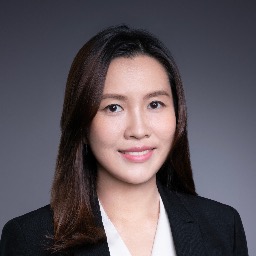
Mei Yan Jim
BACP· Accepting clientsUnited Kingdom · 3 yrs exp
Family · Parenting · Stress, Anxiety · Relationship · +2 more
Read profileThe therapy listings are provided by BetterHelp and we will earn a commission if you use our link - at no cost to you.
Accessing therapy in Cantonese can help you describe feelings and experiences more precisely and comfortably. Browse Cantonese-speaking therapists below to find accredited counsellors across the UK who offer online and in-person sessions. Start your search and book a consult that fits your needs.
United Kingdom · 3 yrs exp
Family · Parenting · Stress, Anxiety · Relationship · +2 more
Read profile
United Kingdom · 7 yrs exp
Stress, Anxiety · Trauma and abuse · Grief · Anger · +14 more
Read profile
United Kingdom · 18 yrs exp
Stress, Anxiety · Relationship · Family · Intimacy-related issues · +13 more
Read profile
United Kingdom · 13 yrs exp
Relationship · Family · Grief · Intimacy-related issues · +5 more
Read profile
United Kingdom · 3 yrs exp
Relationship · Self esteem · Career · Depression · +7 more
Read profile
United Kingdom · 8 yrs exp
Stress, Anxiety · LGBT · Self esteem · Career · +9 more
Read profile
United Kingdom · 6 yrs exp
Stress, Anxiety · Family · Grief · Self esteem · +11 more
Read profile
United Kingdom · 11 yrs exp
Trauma and abuse · Career · Depression · Coping with life changes · +8 more
Read profile
United Kingdom · 11 yrs exp
Stress, Anxiety · Relationship · Anger · Depression · +16 more
Read profile
United Kingdom · 3 yrs exp
Stress, Anxiety · Trauma and abuse · Sleeping · Anger · +15 more
Read profile
United Kingdom · 3 yrs exp
Stress, Anxiety · Addictions · Trauma and abuse · Grief · +9 more
Read profile
United Kingdom · 3 yrs exp
Stress, Anxiety · Relationship · Family · Trauma and abuse · +1 more
Read profile
United Kingdom · 5 yrs exp
Stress, Anxiety · Addictions · Relationship · Grief · +7 more
Read profile
United Kingdom · 12 yrs exp
Stress, Anxiety · Relationship · Trauma and abuse · Career · +11 more
Read profile
United Kingdom · 12 yrs exp
Stress, Anxiety · Self esteem · Depression · Coping with life changes · +12 more
Read profile
United Kingdom · 21 yrs exp
Stress, Anxiety · Relationship · Grief · Self esteem · +1 more
Read profile
United Kingdom · 15 yrs exp
Stress, Anxiety · Relationship · Family · Self esteem · +11 more
Read profile
United Kingdom · 4 yrs exp
Stress, Anxiety · Relationship · Self esteem · Depression · +4 more
Read profile
United Kingdom · 10 yrs exp
Stress, Anxiety · Addictions · Relationship · Trauma and abuse · +1 more
Read profile
United Kingdom · 5 yrs exp
Stress, Anxiety · Relationship · Family · Self esteem · +9 more
Read profile
United Kingdom · 10 yrs exp
Stress, Anxiety · Trauma and abuse · Grief · Depression · +7 more
Read profile
United Kingdom · 25 yrs exp
Stress, Anxiety · Grief · Parenting · Anger · +1 more
Read profile
United Kingdom · 4 yrs exp
Stress, Anxiety · Relationship · Grief · Self esteem · +1 more
Read profile
United Kingdom · 8 yrs exp
Self esteem · LGBT · Trauma and abuse · Career · +1 more
Read profileWhen you are able to speak in your mother tongue, therapy can feel more natural and easier to access emotionally. Cantonese has specific phrases, tones and cultural references that carry meaning beyond literal translation. By talking in Cantonese with a practitioner who understands those linguistic subtleties, you are more likely to convey the exact emotion or nuance you intend. This can make a significant difference when you are exploring childhood memories, family stories or culturally shaped beliefs that are difficult to render in another language.
You may find that metaphors, proverbs and expressions from Cantonese unlock new ways of describing what you are going through, and a therapist who speaks the language can reflect those back to you more accurately. That shared language often builds rapport more quickly, which helps you and your counsellor establish trust and work together effectively. For many people, being heard in their own language feels validating and reduces the mental effort of translating feelings mid-conversation.
Cantonese does more than name feelings - it embeds them in cultural context. Family obligations, notions of face and respect, and expectations around filial duty are expressed in ways that are specific to Cantonese-speaking communities. A therapist who recognises these cultural layers can help you see how cultural norms shape your choices and emotions. That deeper understanding can make therapy feel less like an explanation task and more like a shared exploration of who you are and how you relate to others.
If you work with a therapist who does not speak Cantonese, you might find yourself simplifying or editing what you say to make it understandable. That editing can mean leaving out important details, reducing emotional intensity, or describing sensations in less precise terms. Over time, these adjustments can limit the depth of work you do in sessions and lead to misunderstandings about your needs and progress.
Miscommunication is not only about vocabulary. It can also be about rhythm, silence and tone. Cantonese speakers may use pauses or tonal shifts to convey affect, and a clinician unfamiliar with these patterns could misread those cues. You might also feel reluctant to discuss culturally sensitive topics such as mental health stigma, family shame or intergenerational conflict if you think the therapist will not appreciate the cultural background. Choosing a therapist who speaks Cantonese helps reduce these barriers so you can focus on the therapeutic process rather than translation.
Practical issues can follow from poor language fit. You may need longer sessions to explain basic context, or you might feel less motivated to continue if progress feels slow. Assessments, questionnaires and therapeutic models developed in English can also lose meaning when translated, and important subtleties may be lost. By choosing a practitioner who can work in Cantonese, you reduce the chance of misinterpretation and increase the likelihood that therapeutic tools will resonate with your lived experience.
Online therapy can be a straightforward and flexible way to access Cantonese-speaking support. You can expect sessions to follow similar rhythms to face-to-face work - a greeting and check-in, exploration of issues, and time for reflection and planning - but delivered through video, phone or messaging. Many practitioners will offer a clear explanation of how sessions are organised, the duration and the way to book or cancel appointments. If you choose video sessions, ensure you have a quiet area and a reliable internet connection so conversations can flow naturally.
Conversations online can sometimes feel more intimate because you are in your own environment. That can be helpful when you want to discuss family or cultural topics that might feel difficult in a public setting. Equally, you may need to manage interruptions and think ahead about a comfortable room where you will not be overheard. Therapists will usually explain how they handle notes, records and data protection, and you can always ask them about their approach to these practical matters before you start.
Some practitioners offer a mix of video and phone sessions, while others also use secure messaging for brief check-ins between sessions. The online format can make it easier to find someone with the specific combination of Cantonese language skills and therapeutic training you need, particularly if you live outside a major city. You should expect your therapist to be registered or accredited with a recognised UK professional body and to describe their therapeutic approach in terms that you can understand, whether that is cognitive behavioural work, person-centred therapy, psychodynamic approaches or another modality.
Cultural stigma around mental health is a common barrier in Cantonese-speaking communities. Many people grow up with messages that personal difficulties should be handled within the family or that seeking professional help signals weakness. You might worry about judgement from relatives or about how therapy will affect your relationships. These concerns are valid and can be explored safely with a counsellor who understands the cultural context and the pressures that families in Cantonese-speaking communities may face.
Access is another frequent worry. Finding a practitioner who speaks Cantonese and is also registered and experienced can feel challenging. You may also be unsure about whether a therapist will grasp intergenerational differences, immigration-related stress or bilingual identity issues. A therapist with relevant cultural competence can help you navigate the balance between respect for family values and your own mental health needs, offering strategies that feel culturally informed and practical.
Many Cantonese speakers live between cultural worlds - balancing heritage and life in the UK. This can bring strengths such as resilience and community ties, but it can also create conflict when expectations differ across generations. In therapy you can explore how cultural expectations shape decisions about work, marriage and caregiving, and how language plays a role in who you are at home and in public. A therapist who speaks Cantonese can help you articulate these tensions in ways that feel authentic.
Online therapy broadens your options and can connect you with practitioners who understand your dialect, cultural background and concerns. You can search for professionals who are registered, who describe their experience with Cantonese-speaking clients, and who offer appointment times that fit around work or caregiving responsibilities. Flexibility in scheduling and the ability to attend from different locations can be especially useful if you travel or have fluctuating commitments.
When choosing a therapist, start by checking their professional registration and areas of expertise. Read their profiles to see if they mention experience with Cantonese-speaking clients, family and migration issues, or the particular concerns you want to address. It is reasonable to ask about their approach to therapy, session length and fees, and whether they offer a short initial consultation so you can get a sense of fit. You may also want to enquire about the language used for paperwork and assessments so you know what to expect in practical terms.
Think about what matters most to you in therapy - whether you want a therapist who shares your cultural background, who uses a particular therapeutic method, or who has experience with specific issues like anxiety, grief or relationship tensions. Consider availability, location if you prefer face-to-face work, and whether online sessions feel comfortable for you. Trust your instincts; a good therapeutic match often feels respectful and collaborative from the first few meetings.
If you are unsure where to start, you can reach out for an initial consult to ask about the therapist's experience with Cantonese-speaking clients and the ways they adapt their practice to be culturally responsive. Taking that first step can feel daunting, but many people find that speaking in their own language opens up meaningful pathways to understanding, resilience and change.