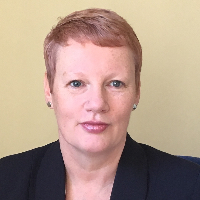
Jessica Sullivan
BACP· Accepting clientsUnited Kingdom · 20 yrs exp
Relationship · Family · Trauma and abuse · Grief · +10 more
Read profileThe therapy listings are provided by BetterHelp and we will earn a commission if you use our link - at no cost to you.
Browse profiles of accredited therapists and counsellors who specialise in Bipolar care across the UK. Use the listings below to compare approaches, registration and availability to find a practitioner who matches your needs.
United Kingdom · 20 yrs exp
Relationship · Family · Trauma and abuse · Grief · +10 more
Read profile
United Kingdom · 5 yrs exp
Stress, Anxiety · Relationship · Family · Trauma and abuse · +14 more
Read profile
United Kingdom · 8 yrs exp
Stress, Anxiety · Relationship · Grief · Self esteem · +15 more
Read profile
United Kingdom · 5 yrs exp
Stress, Anxiety · Relationship · Grief · Depression · +9 more
Read profile
United Kingdom · 15 yrs exp
Stress, Anxiety · Trauma and abuse · Grief · Depression · +14 more
Read profile
United Kingdom · 10 yrs exp
Stress, Anxiety · Relationship · Family · Trauma and abuse · +16 more
Read profile
United Kingdom · 6 yrs exp
Stress, Anxiety · Trauma and abuse · Grief · Depression · +14 more
Read profile
United Kingdom · 3 yrs exp
Stress, Anxiety · Addictions · Family · Trauma and abuse · +9 more
Read profile
United Kingdom · 4 yrs exp
Stress, Anxiety · Relationship · Trauma and abuse · Self esteem · +16 more
Read profile
United Kingdom · 10 yrs exp
Stress, Anxiety · Relationship · Intimacy-related issues · Eating · +13 more
Read profile
United Kingdom · 15 yrs exp
Stress, Anxiety · Relationship · Grief · Self esteem · +13 more
Read profile
United Kingdom · 27 yrs exp
Stress, Anxiety · Relationship · Grief · Intimacy-related issues · +13 more
Read profile
United Kingdom · 5 yrs exp
Stress, Anxiety · Grief · Self esteem · Depression · +11 more
Read profile
United Kingdom · 12 yrs exp
Stress, Anxiety · Relationship · Grief · Self esteem · +12 more
Read profile
United Kingdom · 6 yrs exp
Stress, Anxiety · Relationship · Trauma and abuse · Grief · +7 more
Read profile
United Kingdom · 18 yrs exp
Stress, Anxiety · Relationship · Trauma and abuse · Depression · +12 more
Read profile
United Kingdom · 3 yrs exp
Stress, Anxiety · Relationship · Family · Trauma and abuse · +12 more
Read profile
United Kingdom · 13 yrs exp
Stress, Anxiety · Relationship · Family · Grief · +13 more
Read profile
United Kingdom · 20 yrs exp
Relationship · Family · Grief · Depression · +14 more
Read profile
United Kingdom · 11 yrs exp
Stress, Anxiety · Relationship · Family · Self esteem · +14 more
Read profile
United Kingdom · 5 yrs exp
Parenting · Anger · Self esteem · Coping with life changes · +15 more
Read profile
United Kingdom · 15 yrs exp
Stress, Anxiety · Relationship · Trauma and abuse · Self esteem · +16 more
Read profile
United Kingdom · 5 yrs exp
Stress, Anxiety · Relationship · Family · Trauma and abuse · +15 more
Read profile
United Kingdom · 7 yrs exp
Stress, Anxiety · LGBT · Family · Intimacy-related issues · +15 more
Read profileBipolar is often described in clinical terms as a condition involving changes in mood, energy and activity levels that can affect how you think and behave. For many people these changes come in episodes - periods where you might feel unusually high, energised or irritable, and other periods where you experience low mood, low energy and withdrawal. The pattern, frequency and intensity of these mood changes vary considerably from person to person, and life circumstances, sleep, stress and physical health can all influence how episodes present.
Living with bipolar can mean practical and emotional challenges. You may find it harder to maintain routines, to manage work or study, or to keep relationships steady through ups and downs. Even when mood is relatively stable, the effect of past episodes - such as financial strain, relationship difficulties or low self-esteem - can continue to cause distress. Therapy is often used alongside medical care to help people develop coping strategies, understand triggers and build a supportive daily routine. Many people find that talking therapies help them make sense of their experiences and reduce the sense of being overwhelmed by mood swings.
You might consider seeking therapy if mood shifts are affecting your quality of life, relationships or ability to work. Signs that therapy could help include repeated periods of low mood or elevated mood that leave you feeling unable to cope, patterns of behaviour that cause regret or harm during high phases, or ongoing anxiety about future episodes. Therapy is also useful if you are trying to manage the practical consequences of bipolar - such as sleep disruption, impulsive spending, relationship strain or difficulties with employment.
Therapy can be helpful at different stages. You might seek support during a period of mood instability, after an episode to process what happened, or as part of a longer-term plan to reduce relapse and improve wellbeing. You do not need to be in crisis to benefit - many people use therapy proactively to build skills and resilience. If you are taking medication, therapy often complements medication by addressing daily routines, thinking patterns and interpersonal issues that medication alone does not resolve. Where needed, therapists work alongside psychiatrists or GPs so you have coordinated care that fits your circumstances.
When you begin therapy for bipolar, the initial sessions typically focus on building a therapeutic relationship and gathering a clear history of your mood patterns, past treatment and current concerns. You and your therapist will explore what matters most to you - whether that is stabilising sleep, managing stress, reducing self-harm risk, adjusting to a diagnosis or improving relationships. Sessions are usually structured but flexible, allowing you to set goals while your therapist offers guidance and tools you can use between meetings.
Therapy often includes practical elements such as mood monitoring, sleep and activity planning, and relapse prevention work. You may be taught skills to manage thinking styles, cope with intense emotions and plan for warning signs of mood change. Over time you will review what is working and adapt the plan. Therapy can also address the emotional impact of bipolar - feelings of shame or loss, identity questions, and helping you communicate your needs to friends, family or employers. Your therapist will discuss confidentiality, appointment frequency and how they handle crises so you know what to expect between sessions.
Assessment is collaborative - you and your therapist will agree priorities and a working plan. This might include short-term goals such as stabilising sleep or reducing risky behaviour, and longer-term aims like improving relationships or returning to study or work. You should expect regular reviews so the approach evolves as your situation changes.
Several evidence-informed approaches are used to help people manage bipolar symptoms and the life impacts that follow. Cognitive behavioural approaches are commonly adapted for bipolar and focus on identifying thinking patterns and behaviours that contribute to mood instability, and developing alternative responses. Interpersonal and social rhythm approaches emphasise stabilising daily routines and sleep, and improving relationships that can trigger episodes. Family-focused work can help relatives and partners understand mood changes and develop strategies to support you effectively.
Some therapists use mood management programmes that incorporate practical tools such as mood charts, sleep plans and relapse prevention checklists. Psychological therapies can also address emotional processing and identity - for example, psychodynamic-informed counselling may explore early life experiences and long-standing patterns that affect how you respond to stress. Recovery-oriented approaches emphasise personal goals, strengths and meaningful activity, rather than focusing solely on symptoms. A helpful therapist will explain why they recommend a particular approach and adapt it to your preferences and lifestyle.
Online therapy makes it possible to access specialist practitioners who may not be available locally. You can meet a counsellor or therapist via video, phone or messaging, and combine remote sessions with in-person appointments if you prefer a blended approach. Many people find online therapy reduces travel time and helps maintain continuity of care during busy or difficult periods. Therapists working remotely still follow professional guidelines and usually register with UK bodies such as BACP, HCPC or NCPS; you can check registration details on their profile.
Online sessions often follow the same structure as face-to-face work - assessment, goal-setting, skill-building and review. Some practical elements, like mood monitoring or sleep diaries, can be shared digitally so you and your therapist can track progress between appointments. You should agree with your therapist how to manage emergencies and what steps to take if you are experiencing a crisis. Establishing a comfortable environment for sessions - a quiet room, reliable internet and clear boundaries about session times - helps you get the most from remote work. If you rely on medication, online therapy is generally complementary, not a replacement, and therapists will encourage coordination with prescribers when relevant.
Choosing a therapist is a personal decision and it helps to take a few practical steps. Start by checking whether a therapist lists specific experience with bipolar or mood disorders and whether they are registered with a recognised UK body such as BACP, HCPC or NCPS. Registration indicates that a practitioner meets defined training and professional standards. Read profiles to learn about therapeutic approaches, session length and fees, and look for therapists who describe collaborative care and working with other professionals when needed.
When you contact a therapist, you might ask about their experience with relapse prevention, sleep and routine work, and how they manage risk or coordinate with psychiatrists and GPs. Think about practicalities such as availability, location if you want face-to-face work, and whether you prefer video or phone sessions. Trust your instincts about rapport - an initial conversation can help you sense whether a therapist listens and understands your priorities. It is normal to try a few sessions or to switch if the fit is not right; good therapists will support you to find another practitioner if they are not the best match.
Above all, you deserve a supportive approach that recognises the complexity of living with bipolar and helps you move towards goals that matter to you. Therapy can be an important part of a wider plan that includes medical care, social support and practical strategies to stabilise daily life. Use the listings above to compare profiles and make contact when you find someone who feels like a fit for your journey.